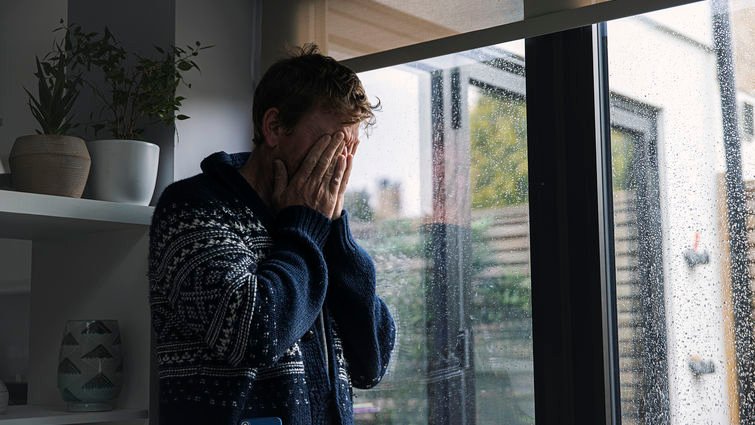
Do you notice your mood, energy, and motivation dropping around the same time every year? If these changes return with the seasons and improve once the season changes, you may be experiencing Seasonal Affective Disorder (SAD).
SAD is a recurring form of depression that follows a predictable seasonal pattern. It often appears at the same time each year and improves as the season changes. This is also called Seasonal Depression. Winter is the most common time for symptoms to appear. However, some people develop seasonal depression during spring or summer, a less common form known as reverse Seasonal Affective Disorder.
This condition is different from a temporary mood change because of its consistency. For many people, the same emotional, physical, and behavioural symptoms return year after year, affecting their energy, sleep, motivation, relationships, and overall quality of life. This pattern is closely related to the changes in daylight and the body’s internal clock.
Understanding why seasonal depression returns each year can help you recognise the condition early and seek effective treatment before symptoms become overwhelming.
How Is Seasonal Depression Actually Diagnosed?
Seasonal depression is diagnosed by a mental health professional based on the timing, duration, and pattern of depressive symptoms over multiple years. Because many symptoms overlap with major depressive disorder, identifying a recurring seasonal pattern is an important part of the evaluation. According to the National Institute of Mental Health (NIMH), most people with Seasonal Affective Disorder (SAD) experience symptoms that begin in late fall or early winter and improve during spring and summer. However, a smaller number of people experience the reverse pattern, with symptoms developing in spring or summer.
To make a diagnosis, a psychiatrist or other qualified mental health professional will also consider factors such as:
- Seasonal pattern: Whether symptoms begin during a particular season and improve when that season ends.
- Recurring episodes: Whether the same pattern has occurred for at least two consecutive years.
- Symptom duration: How long the symptoms last and whether they meet the criteria for a depressive episode.
- Mental health history: Whether another mental health condition or medical issue could better explain the symptoms.
Seasonal Depression Symptoms
Seasonal depression symptoms are often confused with general depression. But they show up in a pattern tied to the calendar. If any of the following symptoms feel familiar and they happen at the same time each year, it’s worth having a conversation with a mental health provider rather than waiting for the season to pass on its own.
Common signs include:
- Persistent low mood
- Feelings of hopelessness
- Loss of interest in activities you’d normally enjoy
- Low energy and fatigue, even after a full night’s sleep
- Oversleeping in winter-pattern SAD
- Difficulty sleeping in summer-pattern SAD
- Changes in appetite
- Difficulty focusing
- Social Isolation
What Causes Seasonal Depression?
Seasonal Affective Disorder (SAD) is often triggered by reduced sunlight exposure during shorter days. Particularly in winters. This lack of light disrupts the body’s internal clock, and reduced sunlight may affect serotonin activity, a neurotransmitter involved in mood regulation. It also raises sleep-inducing melatonin. The causes include the following:
Circadian Rhythm: The shorter days in winter confuse your body’s internal clock. This makes you feel groggy and out of sync.
Melatonin Imbalance: The darkness in long winter nights prompts the brain to make melatonin. This constant hormone overproduction leads to constant fatigue.
Serotonin Drop: The reduced sunlight also lowers your mood, and this triggers depressive feelings.
Vitamin D deficiency: Low sun exposure also reduces vitamin D. Low vitamin D levels may contribute to mood changes in some people, although researchers believe they are only one part of the overall picture.
The cycle of SAD resets every year due to the Earth’s predictable orbital tilt, which causes the annual cycles of changing daylight. The reasons include:
- The tilt of the planet creates a repeated loop of seasonal light changes.
- The body responds in the exact same way to the environmental trigger of declining daylight each year.
- The symptoms naturally fade back when the spring daylight returns.
- Seasonal daylight changes occur at roughly the same time every year.
- Your circadian rhythm responds to these predictable light changes.
- Hormones such as melatonin and serotonin are affected in similar ways each year.
- If you’re biologically vulnerable to SAD, these changes can trigger symptoms repeatedly until daylight increases again.
Evidence-Based Treatments for SAD
Different therapies are used depending on the evaluation. The common approaches that are considered very helpful include the following:
Light Treatment for Seasonal Depression
Light therapy is one of the most well-supported treatments for Seasonal depressive disorder. It involves sitting near a specialized light box that mimics the natural outdoor light. This session lasts for 20 to 30 minutes each day. This therapy helps to recalibrate the circadian rhythm that gets disrupted by the shorter days. That’s why consistency and timing matter as much as the light exposure itself.
Although light therapy boxes are widely available, it’s best to speak with a mental health professional before starting treatment. Light therapy may not be suitable for everyone, particularly people with bipolar disorder or certain eye conditions. This is one of the many reasons a personalized treatment plan matters for managing SAD long-term.

Cognitive Behavioral Therapy (CBT-SAD)
This is a specialized form of cognitive behavioral therapy developed for Seasonal Affective Disorder. It helps to identify and change the unhelpful thought patterns as well as behaviors. This way, the ongoing symptoms are reduced, and the likelihood of depression returning in the future seasons is reduced.
Psychotherapy
This helps to address the thoughts and emotions that can worsen the depressive symptoms. It provides a supportive space to understand negative thoughts and manage symptoms during current or future episodes.
Medication Management
Medications can help regulate the brain chemistry involved in SAD, particularly when the symptoms are moderate to severe. A medication management plan built around a person’s specific pattern and history tends to work better than a generic plan.
Winter Pattern vs. Reverse Seasonal Depression
Seasonal Affective Disorder occurs in two distinct patterns. The most common is the winter pattern depression. The less common is the reverse seasonal depression, which is also called summer pattern depression. The common difference among these is given below:
| Feature | Winter-Pattern Seasonal Depression | Reverse Seasonal Depression (Summer-Pattern SAD) |
| Season | Late fall to early spring | Late spring to early fall |
| Prevalence | Most common form | Less common |
| Mood | Low mood, sadness, loss of interest | Irritability, anxiety, low mood |
| Sleep | Oversleeping (hypersomnia) | Insomnia or poor sleep |
| Appetite | Increased appetite, carbohydrate cravings | Reduced appetite |
| Weight | Weight gain | Weight loss |
| Energy | Fatigue and low energy | Restlessness and agitation |
| Common triggers | Reduced daylight and circadian rhythm disruption | Longer days, heat, and sleep disruption |
Lifestyle Habits That Help Prevent the Yearly Return
Along with professional treatment, making a few small changes before symptoms can appear helps make seasonal mood shifts easier to manage. These include the following:
- Prepare before symptoms begin: Increasing the natural light exposure before or starting light therapy before that certain time of year can reduce the symptoms.
- Keep a consistent sleep routine: a proper sleep schedule can help support the internal clock of your body.
- Maintain physical activity: A regular movement habit can improve energy levels and also help counter the fatigue that comes with SAD.
- Stay connected with others: Do not isolate yourself and maintain relationships and social activities, as they can help manage or prevent the symptoms.
Wrap Up
Seasonal depression is more than just feeling down when the season changes. It is a real mental health condition. But, with the right support and evidence-based treatment, it can be managed. While Seasonal Affective Disorder can return each year, starting treatment early often reduces the severity of symptoms and makes future episodes easier to manage. Many people experience significant improvement with a personalised treatment plan.
If this pattern sounds familiar, Emotiva Healthcare’s licensed psychiatric team can help build a personalized plan that addresses the root cause each season, rather than just managing symptoms after they’ve already taken hold.