“I’ve tried multiple medications and therapy, and I still don’t feel better.” It’s one of the most discouraging places a person can find themselves in, and unfortunately, it’s not rare. Depression doesn’t respond the same way for everyone, and for a meaningful percentage of people, standard treatment approaches simply don’t provide enough relief. TMS therapy exists specifically for this situation.
What TMS Actually Is
TMS stands for Transcranial Magnetic Stimulation. It’s a non-invasive, FDA-approved treatment that uses magnetic pulses to stimulate specific areas of the brain associated with mood regulation, particularly the prefrontal cortex, an area that tends to be underactive in people experiencing depression. Unlike medication, TMS doesn’t circulate through the bloodstream, and unlike more intensive procedures, it doesn’t require anesthesia, sedation, or any surgical component.
What a TMS Session Actually Looks Like
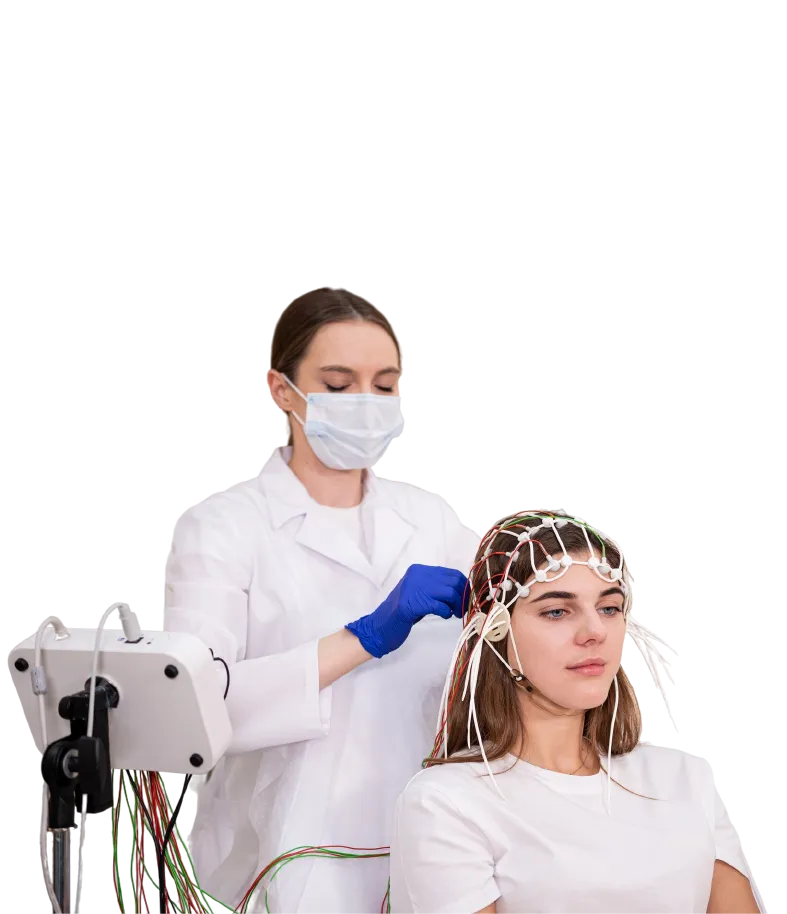
During a session, a person sits comfortably in a chair while a magnetic coil is positioned near their head. The device delivers repeated magnetic pulses to targeted brain regions. Most people describe the sensation as a tapping or knocking feeling on the scalp, mild for most patients, though it can take a session or two to get used to. A typical session lasts around 20 to 40 minutes, and because there’s no sedation involved, patients can drive themselves home and return to normal activities immediately afterward.
A full course of treatment typically involves daily sessions on weekdays over the course of about four to six weeks, though exact timelines vary based on individual response and protocol.
Who TMS Is Typically Recommended For
TMS is most commonly used for people diagnosed with major depressive disorder who haven’t achieved adequate relief from at least one, and often several, standard antidepressant medications. This is sometimes referred to as treatment-resistant depression. It’s also being increasingly studied and used for other conditions, including OCD and certain anxiety disorders, though depression remains its most established use.
TMS tends to be a strong option for people who want to avoid the systemic side effects associated with many oral medications, such as weight changes, sexual side effects, or drowsiness, since TMS works locally in the brain rather than throughout the entire body.
Why TMS Works Differently Than Medication
Antidepressant medications generally work by adjusting neurotransmitter levels throughout the brain and body. TMS instead directly stimulates specific neural circuits believed to be underactive in depression, essentially retraining those circuits to function more effectively through repeated, targeted activation. This mechanism is part of why TMS can be effective even for people who haven’t responded well to medications working through more traditional chemical pathways.
What the Research Shows
Clinical studies consistently show that a meaningful percentage of people with treatment-resistant depression experience significant symptom improvement with TMS, and a substantial portion achieve full remission. Because it’s been FDA-cleared for depression since 2008, there’s now a substantial track record of both safety data and real-world outcomes supporting its use.
What to Expect Beyond Treatment
TMS is generally well tolerated. The most common side effect is mild scalp discomfort or headache during or shortly after sessions, which tends to decrease as treatment continues. Unlike some other more intensive depression treatments, TMS does not carry risks of memory loss or cognitive side effects, and it doesn’t require any recovery time between sessions.
Is TMS Right for You?
TMS isn’t typically a first-line treatment. It’s generally considered after other standard approaches, medication and therapy, haven’t provided sufficient relief. But for people who fit that description, it represents a genuinely different mechanism worth exploring rather than simply cycling through additional medications with a similar chemical approach.
If depression has persisted despite real effort with medication and therapy, it’s worth discussing whether TMS could be an appropriate next step. Scheduling a consultation is the clearest way to find out whether you’re a candidate and what a personalized treatment timeline could look like.