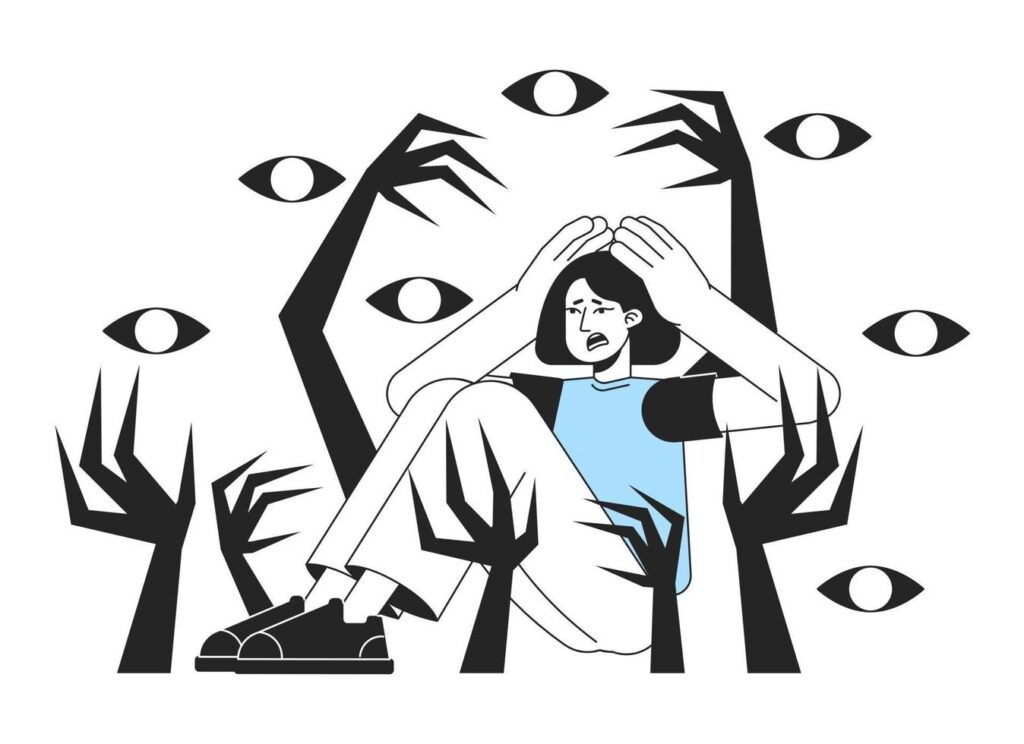
Change is difficult for everyone, but sometimes the world can change in an instant for an individual, and everything can start to feel confusing and scary. People in a psychotic state may feel a loss of connection to reality. Stress can affect people in many different ways, and even if the stress isn’t experienced the same way by everyone, it can sometimes lead people to a psychotic state.
Stress-induced psychosis is something that needs to be taken seriously. For the safety of a person experiencing this, family members need to recognize the symptoms and know the possible causes of psychosis. This can allow them to be proactive in finding help for their loved ones.
What is Stress-induced Psychosis?
Stress-induced psychosis happens when there is a sudden change in the way a person perceives or interprets reality. This can cause people to act in ways that feel psychologically distressing to them and others. This can lead people to feel isolated and alone.
Not every case of a person going through psychotic episodes is due to stress. An individual experiencing this may need to be assessed to determine the causes of their symptoms. In most cases of stress-induced psychosis, treatment is focused on the people who are caring for the individual to help give them the tools to help the person feel more safe and secure.
Stress-Induced Psychosis: Symptoms and Warning Signs
It is important to identify psychotic symptoms as soon as possible, especially if they occur gradually. At first, family members or loved ones may find it confusing to understand sudden changes in a person’s behavior and thinking.
Symptoms of stress-induced psychosis help family members notice when they should get professional help.
Some symptoms may include:
Hallucinations
A person may be able to hear, see or feel something that no one else can.
Delusions
A person may believe that they are being followed, persecuted or obsessed by someone, without any supporting evidence.
Disorganized Thinking
A person may lose their ability to organize their thoughts and ideas, and communicate them to others in a clear and logical manner.
Unusual Behavior
A person may act in a way that seems bizarre and different from their normal self. They may also be unable to comply with simple everyday activities like washing, dressing and eating.
Emotional Changes
A person may be overly anxious, fearful, irritable, or emotionally withdrawn.
Reality Testing
A person may lose trust in their own judgment and may feel extremely fearful and confused about what is real. They may even feel that things are out of control.
Always keep in mind that the presence of any of the above symptoms of stress-induced psychosis may not be ordinary stress. Such symptoms require an immediate medical evaluation, especially if the person is at risk of causing harm to themselves or others.
What Leads to Psychosis Due to Stress?
Prolonged psychological pressure can negatively impact your mental health by exhausting your body’s stress response. This can impact things like your sleep, your emotional regulation, and your ability to focus.
Some people can develop psychotic symptoms because of intense stress and/or traumatic experiences.
Potential risk factors include:
– Experiencing emotional trauma, for example through abuse, violence, or grief.
– Experiencing prolonged psychological pressure, for example because of financial issues, relationship issues, or other big changes in life.
– Experiencing sleep deprivation.
– Pre-existing mental health conditions.
– Using psychoactive substances.
– Having certain medical conditions or neurological infections.
It is important to note that stress-related psychosis can’t always be explained by emotional trauma. An extensive psychological and medical evaluation can help find the real reason.
How Long Does Stress-Related Psychosis Last?
Probably the most common and understandable question from a person experiencing psychotic symptoms is how long will it last?
The duration of stress-related psychosis depends on the cause of the psychosis and the other conditions of the person, as well as the treatment.
Some psychotic episodes can be rather brief and last only a few days or weeks. Other episodes may last much longer.
Some factors can impact how long an episode lasts and how well a person can recover, including:
– The extent and the duration of emotional stress.
– Whether an individual receives timely professional help.
– Other pre-existing psychiatric or medical conditions.
– Sleep quality and physical health.
– Accessibility of appropriate psychiatric and psychological help.
The likelihood of recovery improves with early treatment and reduces complications. However, there is no guarantee of a particular time frame for complete recovery.
It is recommended that an individual suffering from extreme delusions or hallucinations, or from pronounced confusion and disorganization, be immediately assessed by a mental health professional. They should not be expected to simply “wait it out” for symptoms to subside.
It is important to understand that although there may be shared symptoms between stress-related psychosis and schizophrenia, they are separate conditions.
A mental health professional is in the best position to diagnose a mental illness after a thorough evaluation.
Available Treatment Options
Although a schizophrenia diagnosis can feel isolating, the good news is there are multiple treatment options available, and the best one for you is based on your specific symptoms, the things that may be causing your symptoms to flare up, and the overall state of your mental health.
Some of those treatment options may be:
- Medication Management: To manage hallucinations and other psychotic symptoms, your doctor may prescribe antipsychotic medications.
- Psychological Therapy: This can help individuals gain a better understanding of emotional triggers, help them manage stress and anxiety, and develop healthier coping mechanisms.
- Stress Management: Various relaxation techniques and other lifestyle changes may improve your emotional well-being.
- Sleep Support: Maintaining a regular sleep schedule is important and may help improve psychotic symptoms.
- Family Support: Having an encouraging, understanding, and supportive family and/or living environment is beneficial in helping someone with their mental health recovery.
Psychotic symptoms may flare up to the point where it becomes acute and/or severe and cause you to become a risk to yourself, and/or others, and may warrant a visit to the emergency room and/or an inpatient mental health stay.
When To Seek Professional Help
If you are experiencing bizarre changes in your thinking, beliefs, and perceptions, feeling confused, and/or hearing voices, you should seek immediate help.
Early intervention makes a difference. A thorough assessment may prompt the implementation of an effective, individualized treatment plan to minimize symptoms and increase stability for the individual.
Mental health conditions require treatment, and psychology has the answers. Severe stress can contribute to psychotic symptoms, but in the absence of an identified condition, thorough diagnostic procedures and identification of possible psychological contributions are crucial.
However, it is important to take stress-related psychotic symptoms seriously, as early intervention and the help of various social and psychological resources can strongly enhance the chances of recovery. The Inland Empire Behavioral Group supports the need for more awareness of mental health challenges and the need for professional guidance.