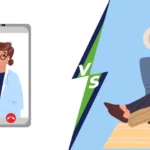
Choosing between online and in-person therapy can feel difficult when several mental health treatment options are available. Both approaches can connect individuals with qualified mental health professionals, but the experience, accessibility, privacy considerations, and practical requirements can differ. Understanding these differences can help people consider which format may fit their circumstances, preferences, and treatment needs.
Online Therapy vs. In-Person Therapy
Online therapy typically involves communicating with a therapist through a secure video platform, while in-person therapy takes place at a mental health professionals. Online mental health counseling can make appointments more accessible for people who have transportation challenges, demanding schedules, mobility limitations, or difficulty traveling to an office.
In-person therapy provides direct face-to-face interaction in a professional setting. Some individuals may feel more comfortable communicating in person and may prefer having a physical separation between therapy and home life.
Neither format is automatically appropriate for every person or every mental health concern. The choice may depend on symptoms, treatment goals, technology access, privacy, scheduling, and professional recommendations.
Choosing Between Online and In-Person Therapy
Choosing between online and in-person therapy often starts with identifying practical and personal preferences. Someone who values convenience may prefer virtual appointments that eliminate commuting. Another person may find it easier to focus when attending appointments away from home.
Online therapy may also provide greater flexibility for individuals who live far from mental health providers. However, reliable internet access, a private space, and a suitable device are generally necessary for effective virtual sessions.
In-person therapy may be preferable when someone wants a structured clinical environment or finds face-to-face communication more comfortable. Travel time and appointment availability can be potential challenges.
The quality of care depends on factors beyond the appointment format, including the professional’s qualifications, treatment approach, communication style, and the individual’s specific mental health needs.
Online Therapy vs. Face-to-Face Therapy
Online therapy and face-to-face therapy can involve similar therapeutic conversations, assessments, coping strategies, and treatment planning. The primary difference is how communication takes place.
Virtual therapy allows appointments to occur remotely, which can make mental health care more convenient. Face-to-face therapy provides direct physical presence and may make certain individuals feel more connected to the therapeutic environment.
Online therapy vs. face-to-face therapy can also differ in how privacy is managed. Virtual sessions require a private location and appropriate, technology requirements, treatment goals, and clinical needs with a technology. In-person sessions generally take place in a designated clinical environment designed for confidential conversations.
Individuals considering either option can discuss privacy, technology requirements, treatment goals, and clinical needs with a qualified mental health professional before beginning care.
Online vs. In-Person Therapy Research
Research comparing online and in-person therapy has examined whether remote psychological treatment can provide meaningful benefits for various mental health concerns. Findings have supported the use of internet-based and telehealth interventions for several conditions, although outcomes can vary depending on the treatment method, condition, patient characteristics, and level of professional support.
Research does not mean that online therapy is suitable for every situation. Certain symptoms or circumstances may require more intensive evaluation, additional services, or a different treatment setting.
A mental health professional can help determine whether virtual or in-person treatment is appropriate based on symptoms and individual circumstances rather than relying solely on general comparisons.
Disadvantages of Online Therapy
Despite its convenience, online therapy has potential disadvantages. Technology problems can interrupt appointments, and poor internet connections may feel less natural for individuals who strongly prefer face-to-face interaction. Nonverbal communication may also be different through a screen, particularly when video quality is poor or communication make communication difficult. Some people may also struggle to find a private location at home.
Virtual communication can feel less natural for individuals who strongly prefer face-to-face interaction. Nonverbal communication may also be different through a screen, particularly when video quality is poor or communication occurs through text-based platforms.
Another consideration involves emergencies. Online therapy may not provide the same immediate access to an on-site clinical environment. People experiencing an acute mental health crisis may require urgent or emergency services rather than relying solely on a routine virtual appointment.
Is In-Person Therapy More Expensive Than Online?
The cost of therapy depends on numerous factors, including the provider, location, treatment type, appointment duration, insurance coverage, and payment arrangements. In-person therapy is not automatically more expensive than online therapy.
Travel expenses can add indirect costs to face-to-face treatment, including transportation, parking, and time away from work or other responsibilities. Online appointments can reduce some of these expenses because commuting is unnecessary.
However, online therapy may still have similar professional fees to in-person treatment. Insurance benefits can also differ depending on the provider, plan, location, and type of service.
Is Online Therapy Cheaper Than In-Person Therapy?
Online therapy can sometimes be less expensive, but price should not be assumed based solely on the appointment format. Some virtual providers offer different pricing structures, while other providers charge comparable rates for online and in-person sessions.
When comparing costs, consider the full financial picture. Questions about insurance coverage, self-pay rates, deductibles, copayments, cancellation policies, session length, and available payment options can provide a clearer understanding of potential expenses.
Cost is only one factor when comparing mental health treatment options. Accessibility, clinical needs, privacy, convenience, and the type of professional support available may also influence the decision.
Which Therapy Format May Be Appropriate?
There is no universal answer when choosing between online and in-person therapy. Online mental health counseling may suit individuals who prioritize convenience, flexible scheduling, and remote access. In-person therapy may appeal to individuals who prefer a traditional clinical environment and direct face-to-face interaction.
For someone searching for a “behavioral health therapist near me,” local providers may offer information about both virtual and office-based services. Discussing symptoms, treatment goals, technology limitations, privacy concerns, and cost with a qualified professional can help identify suitable options.
Individuals considering psychiatric or behavioral health care can contact Advanced Health Preference Group to discuss available treatment formats, mental health services, appointment options, and whether online or in-person care may be appropriate for their needs. Reach out to schedule a consultation and learn more about available mental health.