Every parent has been there. Your child melts down over something small, refuses to go to school, stops spending time with friends, or can’t sit still long enough to finish a single task. You tell yourself it’s a phase, that they’ll grow out of it, that all kids go through this.
Sometimes that is exactly right. But sometimes “just a phase” quietly turns into months of struggle for your child, and for you. Knowing the difference can help you step in earlier, when support works best.
Normal Growing Pains vs. Something More
Children and teens are supposed to have big feelings, test boundaries, and have rough stretches. Moving to a new school, a family change, or a stressful season can all cause temporary changes in mood and behavior.
What separates a phase from a pattern usually comes down to three questions:
- How long has it lasted? A few days is different from several weeks or months.
- How intense is it? Occasional worry is normal. Constant fear that keeps a child from daily life is not.
- Is it getting in the way? Look at school, friendships, sleep, eating, and family life.
When the answer to these points toward “long, intense, and disruptive,” it is worth talking to a professional rather than waiting.
Signs of Anxiety in Children and Teens
Anxiety in young people doesn’t always look like worry. It often shows up as irritability, stomachaches or headaches with no clear medical cause, trouble sleeping, clinginess, perfectionism, or avoiding school and social situations. A child may not say “I’m anxious.” They may simply say they feel sick, or they may snap at everyone around them.
The good news is that anxiety responds well to treatment. Early support from a provider experienced in anxiety care can help children learn coping skills before avoidance becomes a habit.
Signs of Depression in Young People
Depression in kids and teens can look different from depression in adults. Instead of sadness, you might see irritability, loss of interest in things they used to love, a drop in grades, withdrawal from friends, big changes in sleep or appetite, or statements like “I don’t care” or “nothing matters.”
Because these changes can be mistaken for normal teenage moodiness, they are easy to miss. If the change is lasting and it doesn’t seem like your child’s usual self, trust your instincts.
ADHD Often Looks Different Than People Expect
ADHD is not only about hyperactivity. Many children, especially girls and quieter kids, struggle with daydreaming, losing things, forgetting instructions, or starting tasks and not finishing them. Teachers might describe a child as “bright but unfocused,” while the child quietly feels frustrated and behind.
A proper evaluation can tell you whether attention difficulties are ADHD or whether anxiety, sleep problems, or learning differences are the real cause, which matters because each needs a different approach.
When to Seek Help Right Away
Some situations should not wait for a routine appointment. Contact a provider or get urgent help if your child talks about self-harm or suicide, shows sudden dramatic changes in behavior, becomes unable to function at school or at home, or you simply feel something is seriously wrong. You know your child best, and your concern counts.
What Child and Adolescent Psychiatry Looks Like
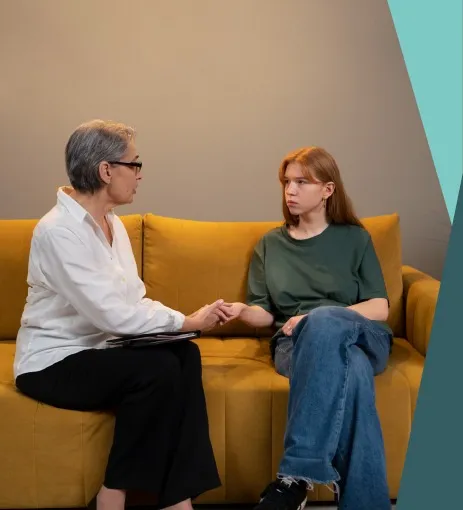
A good evaluation for a young person looks at the whole picture: your child’s history, development, school experience, family environment, and the specific symptoms you’ve noticed. Parents are involved, and older children and teens are encouraged to speak for themselves.
Treatment is tailored to the child and may include therapy, skills for coping and focus, family guidance, and, when appropriate, medication. Medication is never a first assumption. It is considered carefully, explained clearly, and monitored closely. You can learn more about this approach on the child and adolescent psychiatry page.
Making Care Fit a Busy Family Life
Between school, activities, and work schedules, finding time for appointments can feel impossible. Telepsychiatry can make it easier for families to stay consistent, with visits from home and fewer disruptions to the school day. Many kids also feel more comfortable opening up in a familiar space.
How to Start the Conversation With Your Child
Talking about mental health can feel awkward, but a few things help:
- Choose a calm moment, not right after a conflict
- Describe what you’ve noticed without blame: “I’ve seen you seem really tired and down lately”
- Listen more than you talk
- Let them know that getting help is normal and nothing to be ashamed of
You Are Not Failing as a Parent
Wondering whether your child needs support is not a sign that you did something wrong. It is a sign that you are paying attention. Mental health conditions in children are common, treatable, and nobody’s fault.
At Brainpower Wellness Institute, care for children and adolescents is built around listening to the whole family and creating a plan that fits your child’s needs. If you’ve been asking yourself whether this is just a phase, a conversation with a provider can help you find out, so your child doesn’t have to struggle alone.
If your child is ever in immediate danger or talking about harming themselves, call or text 988, the Suicide & Crisis Lifeline, or go to your nearest emergency room.