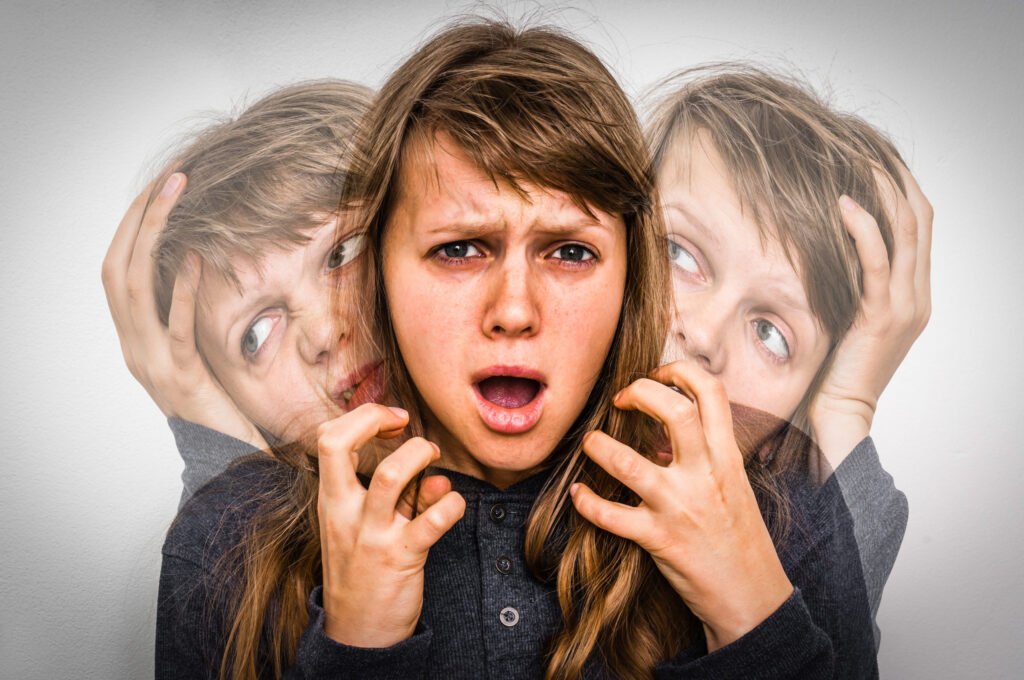
In psychiatry, schizophrenia and psychosis are confusing terms. But understanding the key differences helps avoid misconceptions. Both are related, but not the same thing.
Psychosis is a name given to a collection of symptoms that make it difficult for a person to identify and accept reality, primarily hallucinations and delusions. In contrast, schizophrenia is an officially classified mental health disorder. It affects people’s ability to think, feel, and act, with psychosis as a primary symptom for it, along with challenges in cognitive mechanisms (attention, reasoning, concentration, etc.)
Detachment from reality is a core symptom of schizophrenia. But not everyone with psychosis has schizophrenia, because it is a symptom collection that can also be seen in other mental conditions, like bipolar disorder, depression, sleep disorder, trauma, and more.
Today’s guide explains both in detail. This guide walks through what they actually are, their symptoms, key differences, and treatments.
What is Psychosis?
Psychosis is defined as a collection of symptoms, not a standalone condition or a disease. It mainly includes hallucinations (seeing unrealistic things or hearing voices) and delusions (false beliefs). This term describes a person’s inability to determine what’s real and what’s not. Learn more bout psychosis in our detailed guide on it.
For example: A person, due to extreme stress or trauma, can experience a psychotic episode, which means the scenes or visuals of the stressor that actually passed; it is called stress-induced psychosis.
Psychosis is short-term and fades away on its own once situations are managed or appropriate treatment is received. It has five main stages: the prodromal stage, the acute stage, the stabilization process, the residual phase, and the recovery stage. At each stage, the intensity of the symptom varies.
Want to learn all psychosis stages? Read our guide on the 5 stages of psychosis and their symptoms at each.
What is Schizophrenia?
Schizophrenia is a long-term mental disorder in medical diagnostic guides, such as DSM-5-TR and ICD-11. It affects individuals in terms of how they think, feel, and behave. People diagnosed with this disorder often experience a loss of contact with reality (psychosis) and also face significant gaps in cognitive functioning.
It is a lifelong condition, which means it can’t be cured permanently, but regular treatment, including therapy and medication, helps in managing symptoms effectively.
How Common Are Both?
Neither is very common. Although the precise numbers are unknown, studies show that 0.015-0.1% of 100,000 people are affected by psychosis every year, which is around 15 to 100 people in 100,000. On the other hand, the prevalence of schizophrenia is slightly higher, which is approximately 0.29%. This means around 1 in every 345 people globally is suffering from this disorder.
What are the Symptoms of Schizophrenia & Brief Psychotic Disorder?
The symptoms may vary from person to person. Also, the frequency and intensity can fluctuate and may not be the same even in two people with the same conditions. However, the most common symptoms often experienced by the majority of people include:
Symptoms of Psychosis
- Hallucination: Observing or seeing objects that are not actually present at that moment
- Delusion: Having strong, wrong beliefs, even when evidence denies them
- Disorganized Thinking: Difficult maintaining a connection between communication, instantly shifting from one topic to another
Symptoms of Schizophrenia
Psychotic break is the most common symptom in it. Along with that, the other major signs, which are often referred to as negative symptoms, include:
- Social Withdrawal: People often isolate themselves, avoid interacting with others, and stop attending events and gatherings
- Depressive Symptoms: Feeling sad or having a low mood
- Cognitive Issues: Trouble processing memory, paying attention, and making informed decisions
Before discussing the relation between the two, it’s important to understand the causes of each first. It helps in better understanding the real reasons behind psychosis, a sign of a problem, and schizophrenia, a specific mental disorder.

What are the Causes of Dementia Praecox and Psychosis?
Both have different causes. In fact, the same condition in two individuals develops due to distinct reasons. In simple terms, the causes also vary, depending on several factors, such as personal circumstances, health concerns, and some other crucial factors. However, the most common causes include:
Causes of Psychosis
There’s no exact cause of it; a person can experience a mental break due to a variety of reasons, including unmanageable stress, substance use, trauma, severe illness, and more. Based on the cause, a person is diagnosed with specific psychosis types. Some common causes include:
- Mental health conditions: Individuals often experience psychosis episodes due to mental health conditions, like bipolar disorder. This type, which is caused by continuous mood shifting from being sad to elevated, is termed bipolar psychosis.
- Intense Stress/Depression: Sudden stressful or life-changing events, such as job loss, or women after a child’s birth, often experience episodes of psychotic break.
- Trauma: Childhood trauma, bad past experiences, or passing through life-threatening situations, like a car accident, can also trigger episodes. A break from reality caused by this is called PTSD psychosis.
- Drugs: Excessive use of drugs can also increase the risk of it. These include cannabis or methamphetamine, often referred to as meth-psychosis
Cause of Schizophrenia
Studies have not identified the exact cause of dementia praecox yet. But they point out one important thing: the cause of the disorder can be a combination of factors, including genetics and environmental influences.
- Genetics: A family history can increase the risk of development several times
- Brain Chemistry/Structure: Fluctuations in neurotransmitters, like dopamine, can also lead to the development of altered perception syndrome. Also, people with different brain structures can be diagnosed with it.
- Environmental Factors: Encountering hard-to-believe situations and some other stressors increase the likelihood of it
How are Schizophrenia and Psychosis Related?
Psychosis and schizophrenia are strongly linked; that’s why people often misunderstand them and use them interchangeably. But they are not equal.
Schizophrenic psychosis is a specific disorder, classified as a psychotic disorder. The term psychotic disorder refers to disorders that cause loss of reality. That’s why psychosis is a core feature of this disorder, and this is the main relation between them.
Here is the thing you need to understand: if you are diagnosed with schizophrenia, you must have episodes of psychosis. But experiencing psychosis doesn’t always mean you have schizophrenic disorder.
Can You Be Schizophrenic without Psychosis?
No! In fact, to meet the official schizophrenia diagnostic criteria, you must have active episodes or have a clear history of loss of reality, impacting your life.
What are the Key Differences Between Schizophrenia vs Psychosis?
This section is the main one, helping you easily determine whether you are experiencing psychosis or schizophrenia, based on your conditions. Here are some of the key differences between the two despite being a collection of symptoms and an illness:
1. Duration
The longevity and persistence of both are the main key drivers. Psychosis is a temporary state whose symptoms completely disappear in a short time on their own or with little expert support, and people come back to their normal lives. Conversely, schizophrenic psychosis is a condition a person often has to live with once it develops. It cannot be cured permanently. Episodes of schizophrenia often come back, called relapse, after some time.
2. Occurrence
Psychosis often starts between the ages of 15 and 25. The development rate is higher among individuals in their late adolescence to early adulthood, with signs often appearing earlier in males than in females. On the other hand, schizophrenia is commonly diagnosed in individuals within the age range from late teens (18 and 19 years old) to early 30s.
3. Severity/Worsen
The severity of the symptoms is also an important factor worth discussing. Many people ask this question: which is more severe, psychosis or schizophrenia? Well, schizophrenia is more severe, impacting overall life in terms of work, relationships, and more, which is a temporary drop from the real world. However, seeking an expert’s guidance in both symptoms and illness is necessary. It helps limit psychosis from worsening and prevent dementia relapse.
Treatments for Psychosis vs Dementia Praecox
Understanding both from basic to figuring out key differences, the next step is to look at what treatment options are available. It is necessary to find appropriate treatment at the right time to ensure early intervention and quick recovery.
The treatment approaches and methods discussed below are effective for treating both schizophrenia and psychosis. But how long it takes to notice improvements or to recover depends on the conditions. As schizophrenia is an ongoing mental health disorder, individuals may require continuous treatment for symptom management.
Here are some of the treatments that can help reduce symptoms and promote overall well-being:
Psychotherapy
Both can be effectively managed with psychotherapy. Psychiatrists help individuals process stressful thoughts and trauma and ensure emotional regulation through personalized therapy approaches. In this, Cognitive Behavioral Therapy (CBT) and Family Therapy are the front-line methods. Based on real data collected from medical records, clinical interviews, and family members, health professionals understand individuals’ mental and behavioral health and deliver personalized care for patient-satisfying results.
Medication
Medications can also be helpful for patients experiencing schizophrenia and psychosis. Psychiatrists may prescribe controlled use of antipsychotics to some individuals with high symptom severity to reduce intensity and prevent relapse.
Support Group/Therapy
Support groups or group therapy are also a great approach. This helps people find relevant people with the same conditions to communicate with, share symptoms, and learn from their real-life experiences. Group therapy builds encouragement and gives patients hope to continue seeking support to live a happy life and stay strongly connected to reality.
The selection of the treatment varies according to the individuals’ matched conditions, effectiveness, and long-term goals. Based on that, the mental healthcare practitioner makes a decision. To treat a specific illness or set of symptoms, the healthcare provider may use a combined approach, such as medication management alongside psychotherapy, to achieve maximum outcomes.
Get Support From a Trusted Mental Healthcare Provider in California, CA!
After understanding and identifying symptoms, your next step to make a meaningful change in your life is to seek timely professional help. And at this perfect time to ask for help, you are at the right place.
Renewed Mental Health Group helps individuals live a normal life filled with happiness and work toward real goals. We offer whole-person, holistic care to every individual, supported by comprehensive diagnosis through psychosis tests, personalized treatments, and ongoing support.
We have decades of excellence treating patients struggling with different mental conditions, including schizophrenia and psychosis. Our certified psychiatrists use evidence-based approaches and deliver care to patients of all ages, including children, young adults, and older adults, through well-suited methods. Our wide range of treatment options includes specialized therapies, expert-supervised medication management, and skill-building supportive programs.
So, if you need expert help or are in search of “mental healthcare provider near me” in California, choose Renewed. Call us at +1 (714) 361-0898 to book your appointment!